
Your Inner Compass: When to Rest, When to Grow
When we carry the weight of grief, trauma, or long-term stress, it’s natural for our internal compass to feel a bit weathered. In those moments, it can be difficult to discern what we truly need. Rest feels right, but is it? And if so, what kind? If I do nothing, am I pulling away from something that could actually help me heal?

Sometimes we find ourselves pushing forward when our system is quietly pleading for a pause, and other times we stay in the safety of hibernation when even a small, gentle step might bring a sense of relief. Learning to listen deeply—to know when to offer ourselves a supportive nudge and when to simply pull back and rest—is a journey in itself, and it’s one that deserves immense patience and grace. This delicate dance between action and stillness is at the heart of self-care and well-being.
Our modern world often champions constant forward momentum, yet true growth often emerges from periods of deep rest and thoughtful introspection. When our internal signals are muddled by past experiences or persistent pressures, distinguishing between genuine need and ingrained or learned patterns becomes a significant challenge. So how do we recognize what we truly need? And just as importantly, how do we recognize when we’ve learned unhelpful patterns that keep us burning at both ends?
Listening to Your Body and Soul
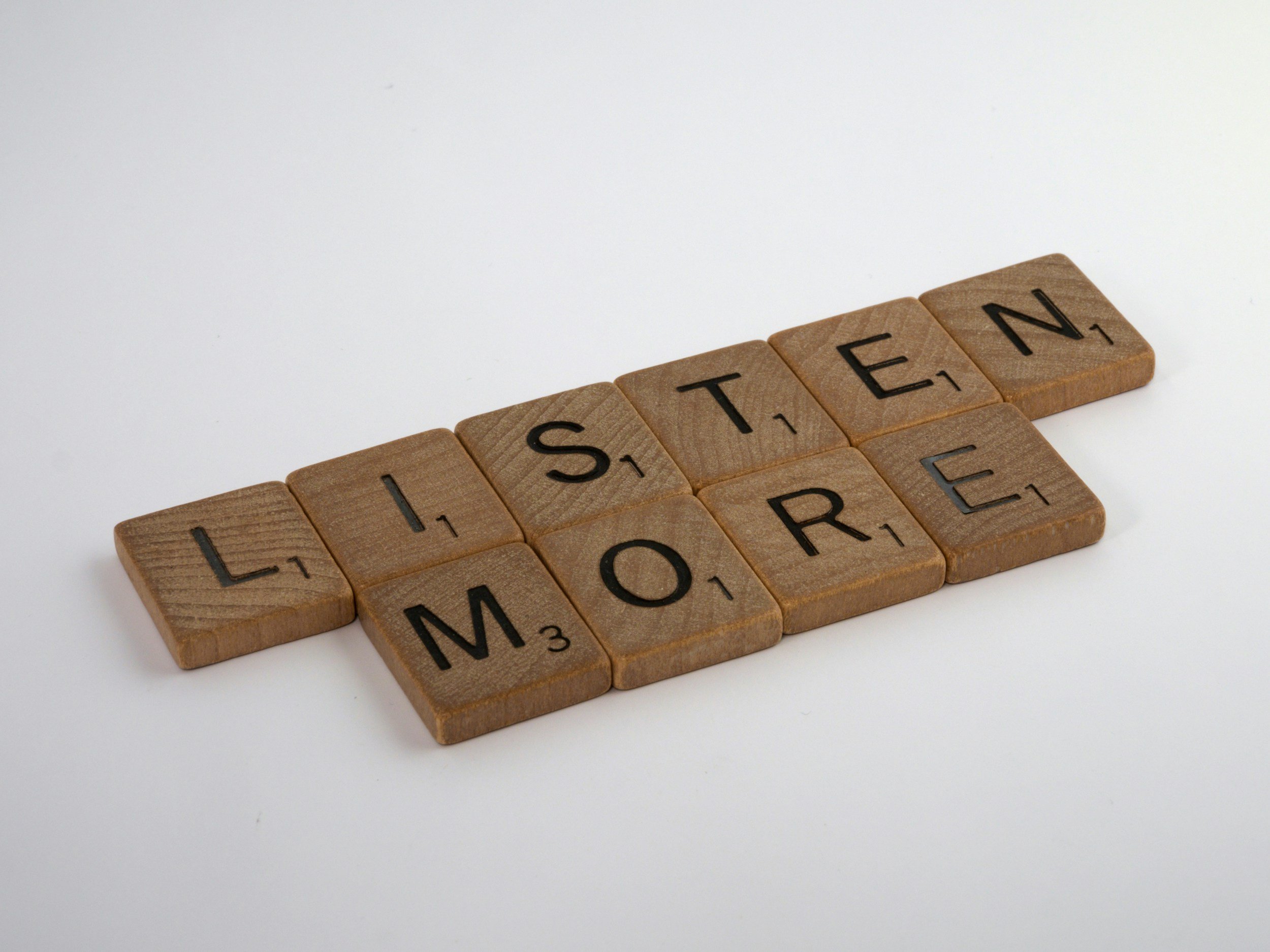
The first step in recalibrating your inner compass is to cultivate a deeper awareness of your whole self—mind, body, and spirit. Chronic stress, for instance, doesn't just manifest as mental fatigue; it can show up as physical tension, digestive issues, or a pervasive sense of unease. Trauma can leave echoes that trigger protective responses long after the event has passed, making it difficult to trust our own instincts.
Try observing your impulses without judgment. When you feel an urge to push through, or an urge to retreat, what are the subtle sensations in your body? What emotions are present? What thoughts are arising? This practice of mindful observation creates a space between stimulus and response, allowing for a more conscious choice.
The Wisdom of a Gentle Nudge
There are times when a small, intentional step forward can be profoundly healing. This isn't about forcing yourself, but about discerning when a gentle nudge aligns with your deeper desire for growth. Perhaps it's reaching out to a trusted friend, engaging in a creative pursuit, or taking a first step toward finding a counselor or other positive life change. These arn’t acts of pushing through pain, but acts of courage that honor your capacity for change.
Conversely, recognizing the wisdom in rest is equally vital. Rest is not a luxury; it is a fundamental human need and a powerful catalyst for healing. It allows our nervous system to regulate, our minds to process, and our spirits to replenish. Sometimes, the most courageous act is to pause, to breathe, and to simply be.
Cultivating Clarity with Support

Sorting out these intricate internal signals can feel like navigating a dense fog. This is precisely where compassionate, holistic guidance can make a profound difference. As a holistic counselor, my role is not to tell you what to do, but to help you illuminate your own path. We work collaboratively to understand the unique landscape of your experiences, gently explore the underlying factors influencing your well-being, and develop personalized strategies to bring your inner compass back into alignment. Together, we can cultivate the clarity and confidence to discern when to lean into growth and when to embrace restorative rest, empowering you to live a more meaningful, strong, and whole life.
If you find yourself struggling to navigate these internal signals, or if you're seeking a supportive space to explore healing and personal growth, reach out for a free 20-minute exploratory consult. Let's find your way forward, together.
References
American Psychological Association. (2025, May 6). Seven types of rest to help restore your body's energy. https://www.apa.org/topics/mental-health/seven-rest-types
University of California San Francisco. (2024, June 13). New study explores the transformative power of deep rest. https://psychiatry.ucsf.edu/news/new-study-explores-transformative-power-deep-rest
Mental Health Foundation. (n.d.). Rethinking Rest. https://www.mentalhealth.org.uk/sites/default/files/2022-06/Rethinking-Rest-guide-from-the-Mental-Health-Foundation.pdf
INTEGRIS Health. (2021, April 16). Why It's Important to Allow Yourself to Rest. https://integrishealth.org/resources/on-your-health/2021/april/why-its-important-to-allow-yourself-to-rest
CCP. (2024, July 8). How does trauma affect decision making?. https://ccp.net.au/how-does-trauma-affect-decision-making/
National Center for Biotechnology Information (NCBI). (n.d.). Understanding the Impact of Trauma. https://www.ncbi.nlm.nih.gov/books/NBK207191/
AIHCP. (2024, August 19). Holistic Wellness: Integrating Mind, Body, and Spirit. https://aihcp.net/2024/08/19/holistic-wellness-integrating-mind-body-and-spirit/
Li, T. (2022). A Systematic Review of Randomized Controlled Trials on Holistic Health. Journal of Clinical Medicine, 11(10), 2897. https://pmc.ncbi.nlm.nih.gov/articles/PMC9168865/
Bożek, A. (2020). The Relationship Between Spirituality, Health-Related Behaviors, and Psychological Well-Being. International Journal of Environmental Research and Public Health, 17(17), 6306. https://pmc.ncbi.nlm.nih.gov/articles/PMC7457021/