

Why Menopause Disrupts Sleep (and What Actually Helps)
Many women in midlife describe the same experience: a big shift in their sleep. Once upon a time, you could dependably get good and restorative sleep without much effort, but now it’s a different story. There's a good reason for that shift. Perimenopause and menopause effectively herald a re-engineering and shift in how the body goes about its business, and that, in turn, means a lot of disruption for your sleep.
The Positive Feedback Loop Your Life Might Be Missing
I talk with a lot of people about their thoughts and feelings—their worries, moods, memories, sleep, what’s meaningful to them... And somewhere in nearly every one of those conversations, I work to bring some measure of focus into the body.

Can Better Sleep Slow Aging? A 2026 UCLA Study on CBT-I and Biological Age
Sleep is not a luxury, it's foundational infrastructure for your health. Usually, the argument for getting better sleep rests on things we all can feel: mood, focus, patience, energy. But this past September, researchers at UCLA Health published findings in The Lancet Healthy Longevity journal, showing that treating insomnia with cognitive behavioral therapy didn't just improve how people slept. In their researcher, it appeared to slow down how fast their bodies were aging at the cellular level.
The Myth of the 8-Hour Sleep (Part 2): How Much Sleep Do You Actually Need?
Eight hours was never meant to be a universal prescription. It's a loose average drawn from a wide range factors. And treating it as a hard and fast rule to meet every single night can actually work against your sleep (no matter the amount) rather than for it…
…Hitting the bullseye for our personal best sleep amount is tough. If we wanted to be a bit cliche, we might say that it’s more of an art than a science. Not just because it’s necessarily difficult to pin point, but because it changes over time—both as we progress through life, but also from day to day based on activity, health, stress, and more.

The Myth of the 8-Hour Sleep (Part 1): Why Waking Up at Night Doesn't Mean You're a Bad Sleeper
We've been told, over and over, that a good night’s sleep is a single, solid, unbroken block of eight hours—from lights out to alarm clock, no interruptions. So when our body or mind doesn't do that, it feels like proof of a problem. We’ve failed, and we’re not good sleepers.
But here's the thing. That’s just not true.
Ultraprocessed Time: The Way You Spend Your Hours Might Be Wrecking Your Sleep
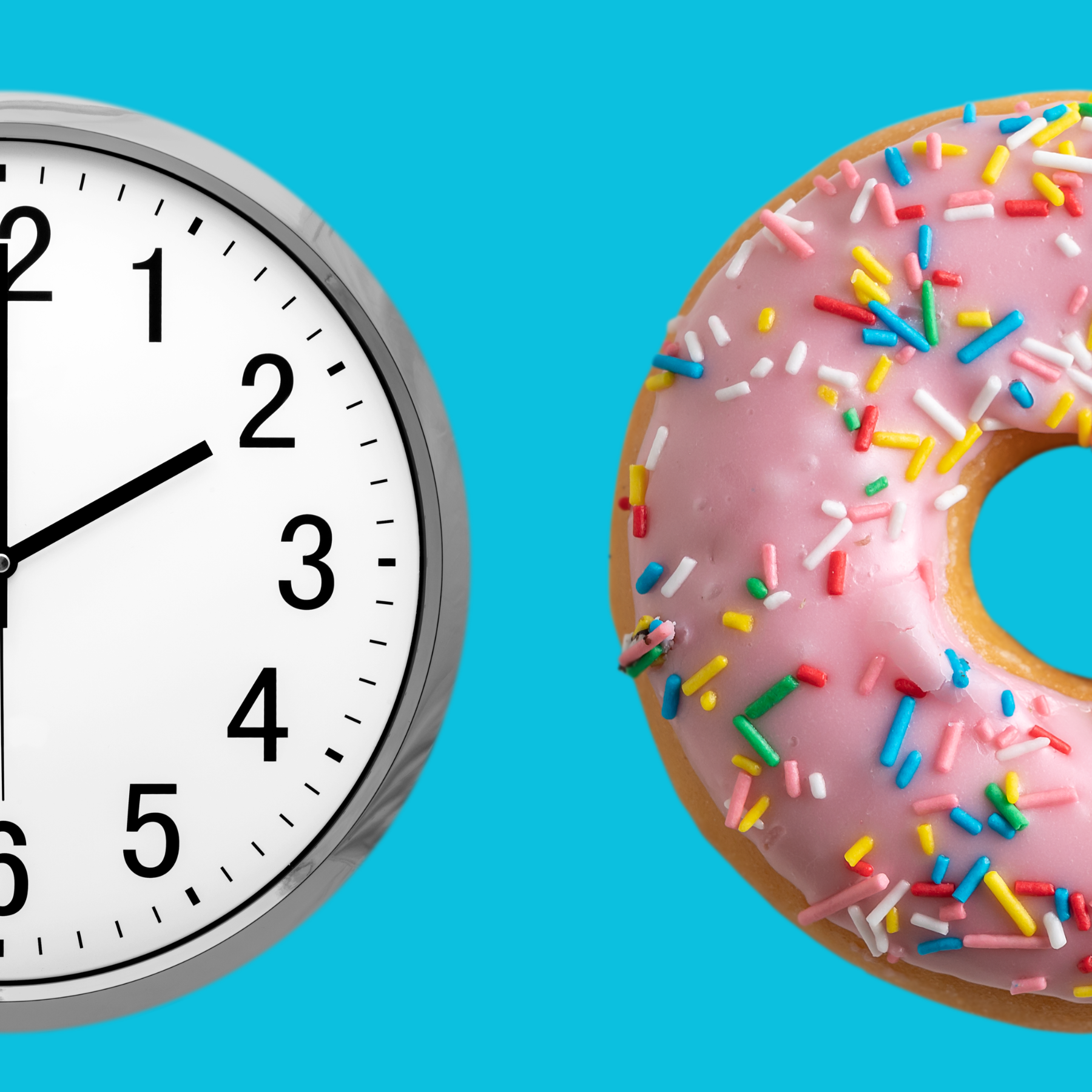
Ultraprocessed time is the time you spend on something that feels compelling in the moment but leaves you with nothing real to show for it afterward, no rest, no connection, no growth, no learning, just a faint, sugar-crash-esque sort of emptiness. And much like ultraprocessed food, ultraprocessed time is everywhere.