
The Arts Can Keep You Young (without picking up a brush)
Engagement with the arts can measurably slow the aging process.
When I talk with clients about the things that genuinely support a longer, healthier, more meaningful life, I have a short list of favorites: exercise, healthy food, quality sleep, strong relationships—and one more that tends to surprise people: the arts.
In May 2026, NPR reported on research published by University College London that found engaging with the arts—either as creator or viewer—is associated with a four percent slower rate of biological aging. That is approximately one year younger, biologically, for people who engage with the arts regularly compared to those who rarely do. And that reduction is comparable to the biological aging benefit seen in people who exercise regularly (Perkins et al., 2026).
Let me say that again, because it deserves a moment. Going to a museum. Attending a concert. Reading poetry. Making something with your hands. These activities appear to slow the rate at which your body ages at the cellular level, by roughly the same margin as getting to the gym. I find that genuinely remarkable. And I think it changes how we ought to think about the arts in our lives.
What the Research Actually Found
The UCL study, led by researcher Daisy Fancourt and her colleagues, analyzed survey data and blood samples from 3,556 adults participating in a long-term UK study. The researchers used epigenetic clocks—tools that assess biological aging by measuring specific chemical changes to DNA over time—to compare participants’ rate of aging against their level of arts and cultural engagement. In all, seven scales of measurement were used, and results were consistent across all of them.
The more you engage with the arts, the greater the benefit.
People who engaged in arts and cultural activities more frequently, and across a wider diversity of activities, showed a slower pace of biological aging and a younger estimated biological age. The effect was dose-responsive: engaging with the arts at least three times a year was linked to a two percent slower aging pace; monthly engagement was linked to three percent; and weekly engagement was linked to the full four percent slower aging rate—the same reduction seen in people who exercised at least once a week compared to those who did no exercise at all (Perkins et al., 2026).
Steven Horvath, a geneticist at UCLA who developed one of the epigenetic clocks used in the study, described the findings as genuinely surprising. That kind of reaction from a veteran aging researcher is worth noting. The links were particularly strong for middle-aged and older adults, those 40 and above, and remained significant after the researchers accounted for other factors that might explain the relationship, such as overall health, socioeconomic status, and existing lifestyle habits. The arts engagement itself appeared to be responsible.
What Is Actually Happening in the Body
How does going to a gallery or getting out your finger-paints affect your DNA? Admittedly, it sounds more like science fiction than science fact, but none the less, the observed changes are measurable and real. And while the mechanisms at play are not yet fully understood, the research points in a clear direction.
Engagement with the arts can literally affect your DNA.
Creative expression and arts engagement reduce physiological stress. They lower cortisol, the body’s primary stress hormone, and reduce the chronic low-grade arousal that contributes to accelerated aging. Chronic stress is one of the most well-documented drivers of accelerated biological aging, working through inflammation, oxidative damage, and the degradation of telomeres—the protective caps/sheathes at the ends of our chromosomes. Anything that meaningfully reduces that stress over time will slow the aging process. The arts do exactly that.
Beyond stress reduction, arts engagement appears to support cognitive function in ways that have their own anti-aging effects. A study published in the research journal, Nature Communications in October 2025, found that activities including dancing and engaging with the visual arts could help the brain maintain a younger biological age, suggesting that the arts support neurological health specifically, not just general wellbeing. Deep creative processing also seems to engage systems in the brain associated with meaning-making, emotional regulation, and what psychologists call integration—which is the capacity to weave our experiences into a coherent sense of self. These are not trivial functions. They are among the things that make life feel worth living, and they have positive, tangible biological effects on us.
You Do Not Have to Be an Artist
No need to pick up a brush, enjoying the arts is enough to gain the anti-aging benefit.
This is perhaps my favorite part of all of this research, because it is where things become accessible to all of us: the biological aging benefit held equally for those who make art and those who appreciate it. The benefit extends beyond the painters, musicians, dancers, and writers among us. A simple positive engagement with the arts and creativity, either by going to concerts, visiting theaters, attending museums, or just looking at and enjoying something creative will tick the box. The act of being in the presence of creative expression, of opening yourself to it and receiving it, appears to be enough to generate anti-aging effects (Perkins et al., 2026).
That means your museum membership is a health investment. That gallery walk you’ve been meaning to go on is a health investment. The novel on your nightstand, the concert you keep putting off, the film you actually want to watch rather than settling for something mindless—all of it counts. All of it is doing something real for your body.
This is not a license for passive consumption of whatever happens to be on. The engagement piece matters. But it does mean that the arts are genuinely accessible as a wellness practice for anyone willing to show up, not just for people with creative talent or training.
Stacking the Benefits: Arts, Movement, and Food
One of the most useful frameworks I have found in this area is what I think of as ‘stacking:’ the idea that multiple healthy choices, each with their own modest but real effect, meaningfully compound when done together or in tandem to each other.
The four percent biological aging reduction from arts engagement is comparable to that seen with regular physical exercise, according to the UCL study. These are not competing interventions; they are complementary ones. A person who exercises regularly and engages with the arts regularly may not get four percent plus another four percent in some kind of additive arithmetic. But they are building a life with multiple, mutually reinforcing inputs that support the kind of cellular health that underpins a longer, more vital existence. (And that 4% decrease in aging will absolutely increase!)
Diet is a third layer in this stack. Research from multiple institutions, including the University of California San Francisco and Harvard’s T.H. Chan School of Public Health, has found that adherence to a Mediterranean-style diet (one rich in whole foods, vegetables, healthy fats, fish, and polyphenol-dense plants, and low in ultra-processed foods and added sugar) is associated with meaningful reductions in biological age as measured by epigenetic clocks. One UCSF study found that reducing added sugar intake by just ten grams per day was associated with turning back the biological clock by approximately 2.4 months, if sustained over time (Laraia et al., 2024). A Harvard-affiliated trial found that a polyphenol-rich Green Mediterranean diet produced an 18-month reduction in biological age over the course of the study (Meir et al., 2023).
Clean, colorful, nutrient-rich food, regular movement, and regular engagement with the arts all contribute to slowing your aging process and thankfully, none of them require perfection. Practiced together, they build upon one another, their effects compound, and your overall wellness reaps all the rewards.
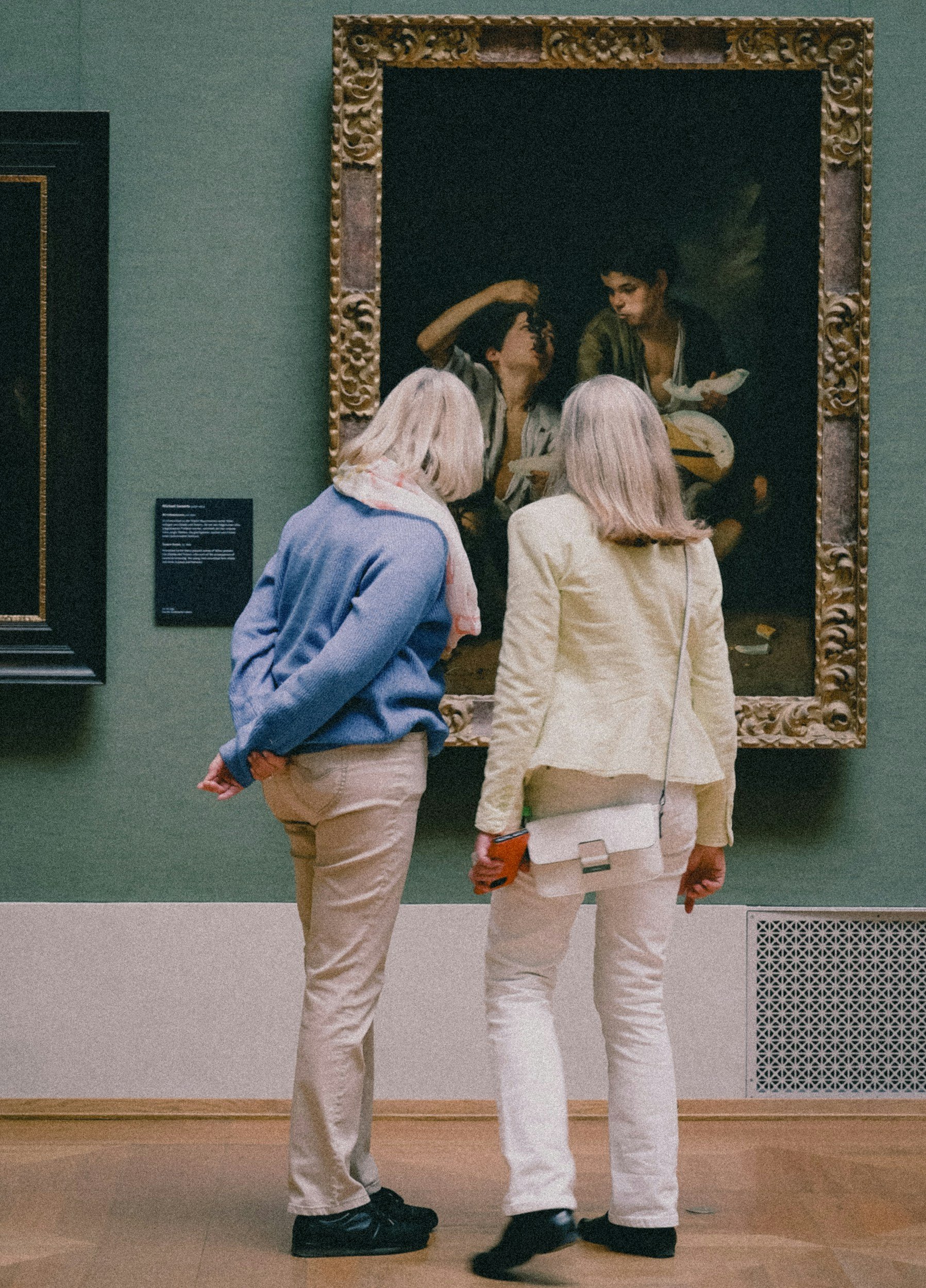
Go Be Artsy With Someone
There is one more dimension to this that I want to highlight, because I think it may be the most under-appreciated and easy to overlook. The social element of arts engagement appears to amplify its benefits.
Research on arts participation and social cohesion, including an integrative review published in the journal Arts in Health, found that shared creative and cultural experiences build social bonds, reduce loneliness, and enhance wellbeing in ways that solo engagement does not fully replicate (Fancourt & Finn, 2019). A longitudinal study of older adults in Japan and England found that arts and cultural group participation was associated with improved life satisfaction and stronger social support networks, effects that persisted over time (Chattopadhyay et al., 2025).
Although we may not think of it, this makes intuitive sense. Humans are social animals. Loneliness and social isolation are now recognized as among the most significant public health risks of our era, with effects on mortality comparable to smoking (—that’s a sentence worth reading twice). The arts, especially when shared, are among the most natural antidotes to that isolation. They give us something to experience together, something to talk about, something to be moved by in each other’s company.
So if you take one practical thing from this article, let it be this: the next museum trip, gallery opening, concert, or film you’ve been meaning to attend—don’t go alone. Call a friend. Make an afternoon of it. And if a friend isn’t available, grab an acquaintance. The experience will be richer, the conversation better, and evidence suggests the benefits will be amplified.
A Word About the Science
The UCL study is genuinely impressive in its methodology and scope, and the findings are striking. But, it is one study. The researchers themselves have noted that questions remain—including whether lifelong arts engagement produces different effects than taking it up later in life, and whether the findings will replicate across different cultural contexts and populations. Independent replication is always the gold standard in science, and this work is new enough that a full well-replicated picture has not yet emerged.
That said, while this specific study stands alone, other research in related areas appears to be sympathetic to and support the UCL’s findings. Regardless, I am not waiting for more data before recommending the arts. The broader evidence base supporting arts engagement as a health practice is substantial and growing, and the UCL finding adds a specific and remarkable piece to that picture. And of perhaps equal importance: regular arts engagement, physical activity, and a clean, colorful diet do not carry meaningful risks—at all. So why not go out and enjoy the beauty of human creativity (and also good food, and fun movement, and good friends)???
An Invitation
If this has landed somewhere useful for you, here is what I’d suggest: think about the last time you engaged with something creative or artistic in a way that genuinely moved you or absorbed you. When was it? How long ago? If the answer is recent, wonderful. Keep it going, and if possible, bring someone along next time.
If the answer feels a bit distant, consider this your gentle nudge. You don’t need a plan or a strategy or a membership. You just need a bit of time, another person, and something beautiful to experience together. So… Grab someone. Go be artsy. And be well.
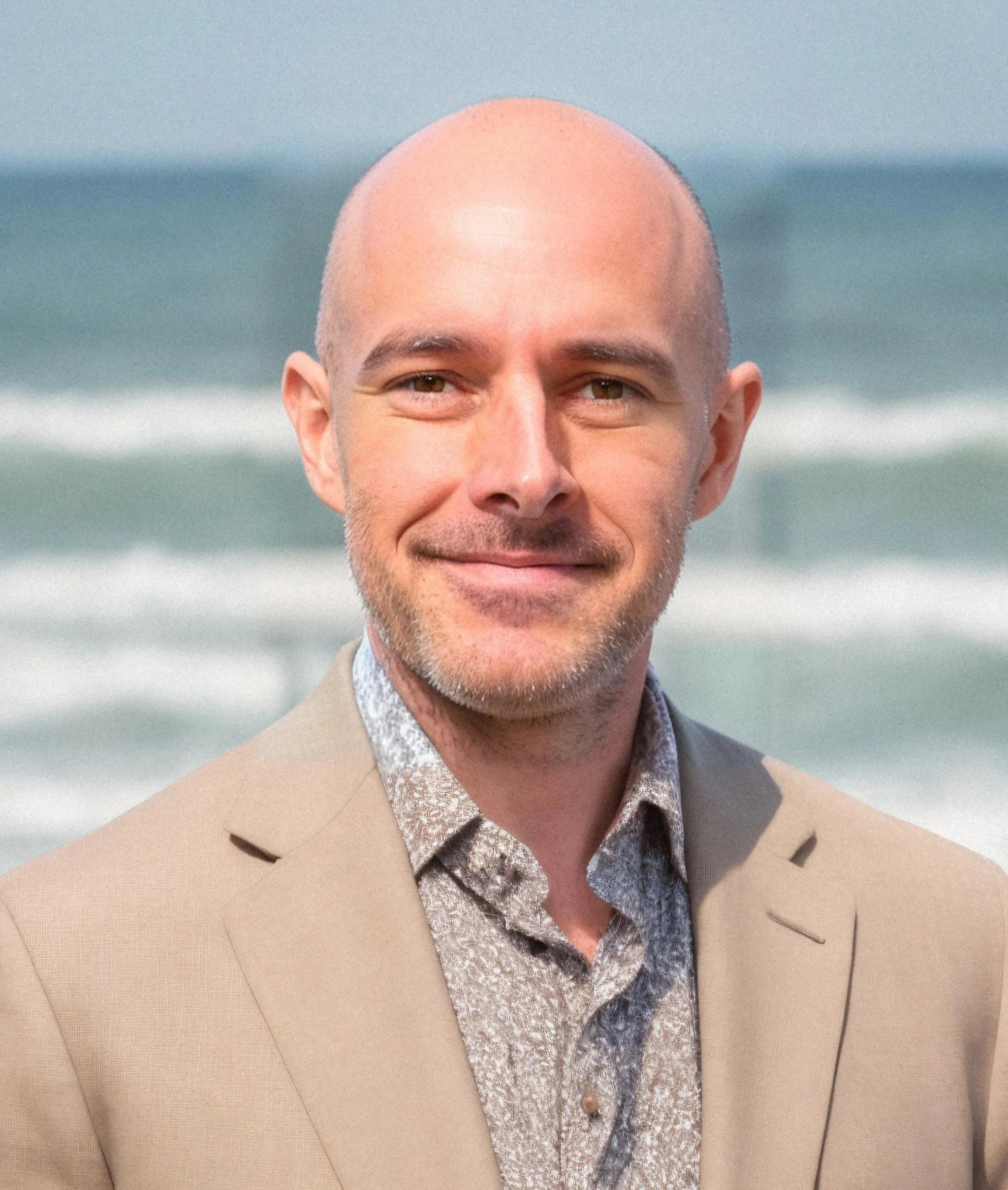
Adam Scheldt is a holistic counselor, life coach, and founder of Adam Scheldt Wellness LLC, serving clients in Western New York and online.
And if you’d like support building a life that is genuinely nourishing at every level—one that integrates the things we know support mental, emotional, and physical health in ways that are actually sustainable for you—that is exactly the kind of holistic, whole-person work I do with my clients. Reach out at AdamScheldt.com to schedule a free 20-minute introductory call. I’d love to connect.
References
Fancourt, D. et al (2025). Does arts and cultural group participation influence subsequent well-being? A longitudinal cross-country comparison of older adults in Japan and England. BMJ Public Health, 3. https://pubmed.ncbi.nlm.nih.gov/40018525/
Fancourt, D., & Finn, S. (2019). What is the evidence on the role of the arts in improving health and well-being? A scoping review. World Health Organization, Regional Office for Europe. https://apps.who.int/iris/handle/10665/329834
Laraia, B., Epel, E. S., & Cawthon, P. M. (2024). Healthy diet with less sugar is linked to younger biological age. University of California San Francisco. https://www.ucsf.edu/news/2024/07/428121/healthy-diet-less-sugar-linked-younger-biological-age
Meir, A. Y., Tsaban, G., Kaplan, A., Rinott, E., Zelicha, H., Shelef, I., Hu, F. B., Stampfer, M. J., Shai, I., & Liang, L. (2023). Mediterranean diet high in polyphenols linked with slower biological aging. BMC Medicine. https://pmc.ncbi.nlm.nih.gov/articles/PMC9071484/
Coronel-Oliveros, Carlos et al. (2025, October). Creative Experiences and Brain Clocks. Nature Communications. https://www.nature.com/articles/s41467-025-64173-9
Perkins, R., Bu, F., & Fancourt, D. (2026). Arts engagement and epigenetic aging: Evidence from a population-based longitudinal study. Innovation in Aging. https://doi.org/10.1093/geroni/igag038
Zhao, C. N., Xu, Z., Wu, M. Y., Mok, M. T. S., Li, W. H., Lam, V. W. T., Fung, F. Y. T., Chan, F., Leung, P. C., Wu, J. C. Y., & Lu, W. (2024). Relationships between arts participation, social cohesion, and well-being: An integrative review of evidence. Arts in Health.