

Can Better Sleep Slow Aging? A 2026 UCLA Study on CBT-I and Biological Age
Sleep is not a luxury, it's foundational infrastructure for your health. Usually, the argument for getting better sleep rests on things we all can feel: mood, focus, patience, energy. But this past September, researchers at UCLA Health published findings in The Lancet Healthy Longevity journal, showing that treating insomnia with cognitive behavioral therapy didn't just improve how people slept. In their researcher, it appeared to slow down how fast their bodies were aging at the cellular level.
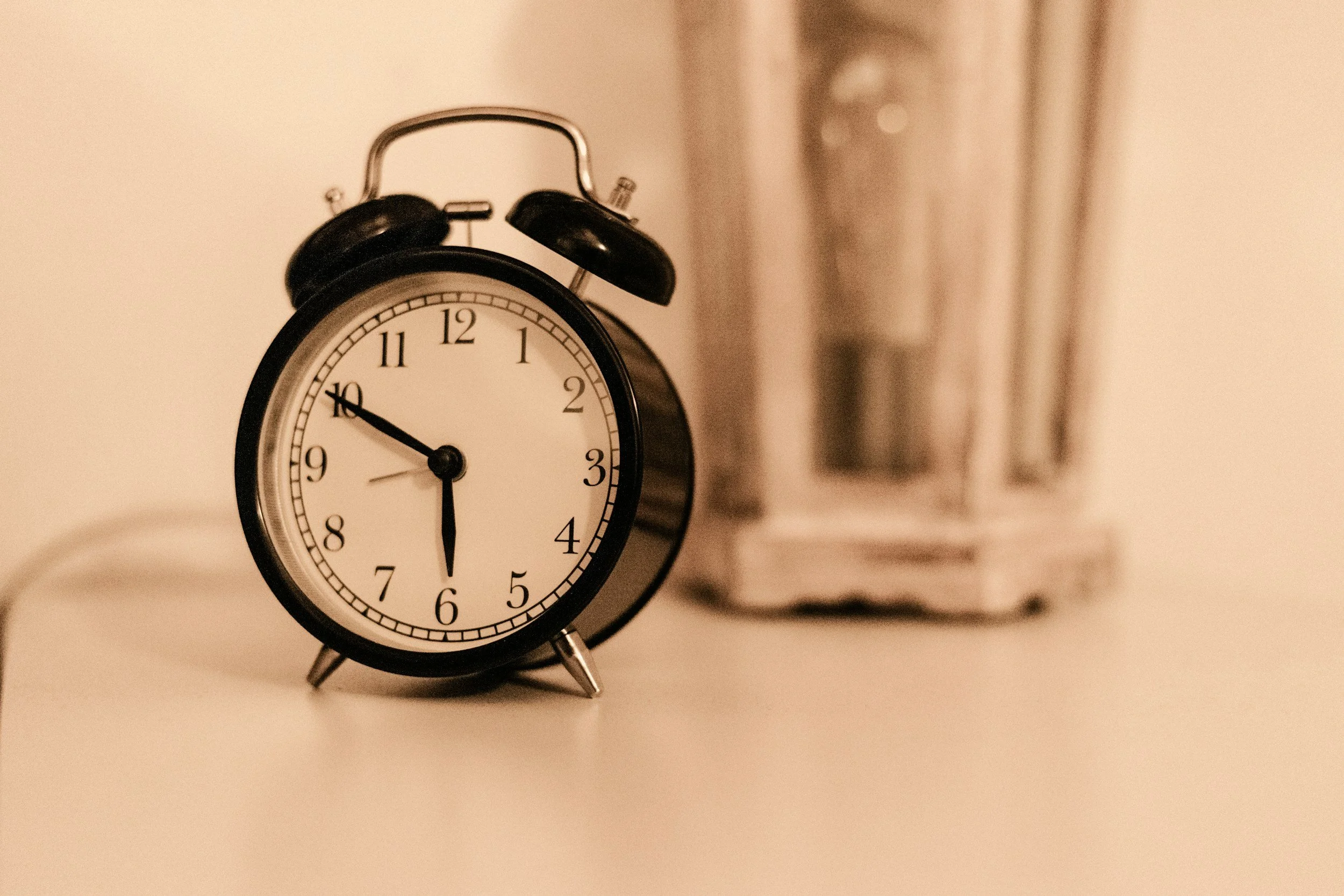
The Myth of the 8-Hour Sleep (Part 2): How Much Sleep Do You Actually Need?
Eight hours was never meant to be a universal prescription. It's a loose average drawn from a wide range factors. And treating it as a hard and fast rule to meet every single night can actually work against your sleep (no matter the amount) rather than for it…
…Hitting the bullseye for our personal best sleep amount is tough. If we wanted to be a bit cliche, we might say that it’s more of an art than a science. Not just because it’s necessarily difficult to pin point, but because it changes over time—both as we progress through life, but also from day to day based on activity, health, stress, and more.
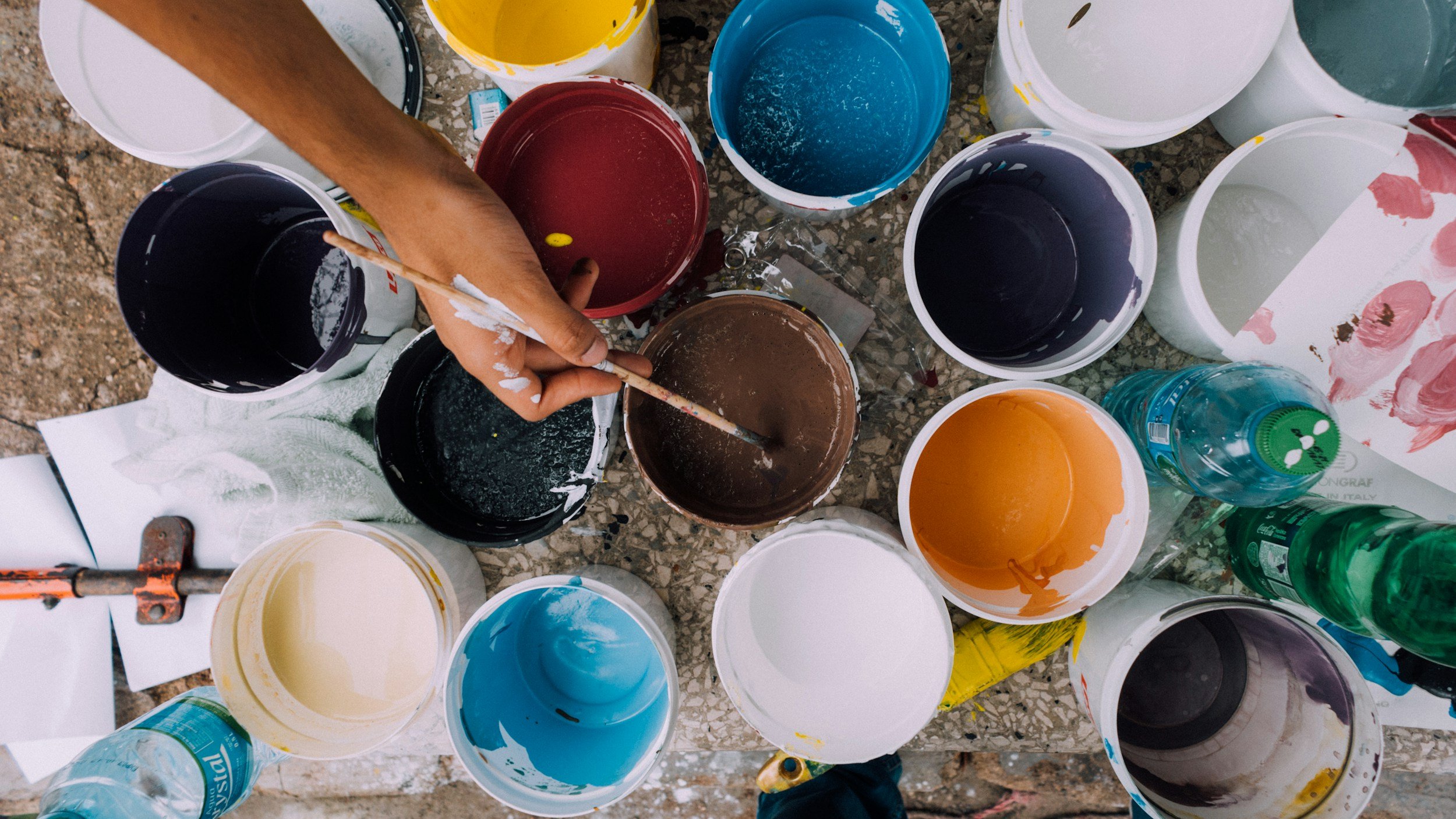
The Arts Can Keep You Young (without picking up a brush)
How does going to a gallery or getting out your finger-paints affect your DNA? Admittedly, it sounds more like science fiction than science fact, but none the less, the observed changes are measurable and real. And while the mechanisms at play are not yet fully understood, the research points in a clear direction.