
The Most Overlooked Way to Feel Better & Improve Your Life

The benefits of reading are probably far greater than you might think
Let me ask you something. When was the last time you picked up an actual book — not a screen, not a podcast, not a scroll through your feed — and just… read?
If it's been a while, you're not alone. And if your attention span has gotten shorter over the years, that's not a character flaw. It's a symptom of the world we're living in. But here's the thing: that book sitting on your nightstand, or the one you keep meaning to start, might be one of the most powerful wellness tools available to you — and it's almost certainly the most overlooked one.
As a holistic counselor, I am invested in the whole picture of your wellbeing — your mind, your body, and your spirit. And the research on reading is, frankly, hard to ignore. So let's talk about it.
What Reading Actually Does to Your Brain (and Body)
We tend to think of reading as a passive activity — something you do to wind down or pass the time. But your brain, when you're reading, is anything but passive. It's lighting up. It's building connections. It's doing some of its best work.
Reading reduces stress — measurably and quickly. A landmark study from the University of Sussex found that just six minutes of reading reduced participants' heart rates and muscle tension, and lowered stress levels by up to 68% — outperforming other popular relaxation strategies including listening to music and going for a walk (Lewis, 2009). Six minutes. That's less time than it takes to scroll through your morning feed on your phone.
It preserves and improves your cognitive function. Regular reading has been consistently linked to slower cognitive decline as we age, improved memory, stronger critical thinking skills, and enhanced concentration (Bavishi et al., 2016). In a world where we are increasingly outsourcing our thinking to algorithms and AI, reading is one of the most meaningful ways to keep your mind genuinely sharp.
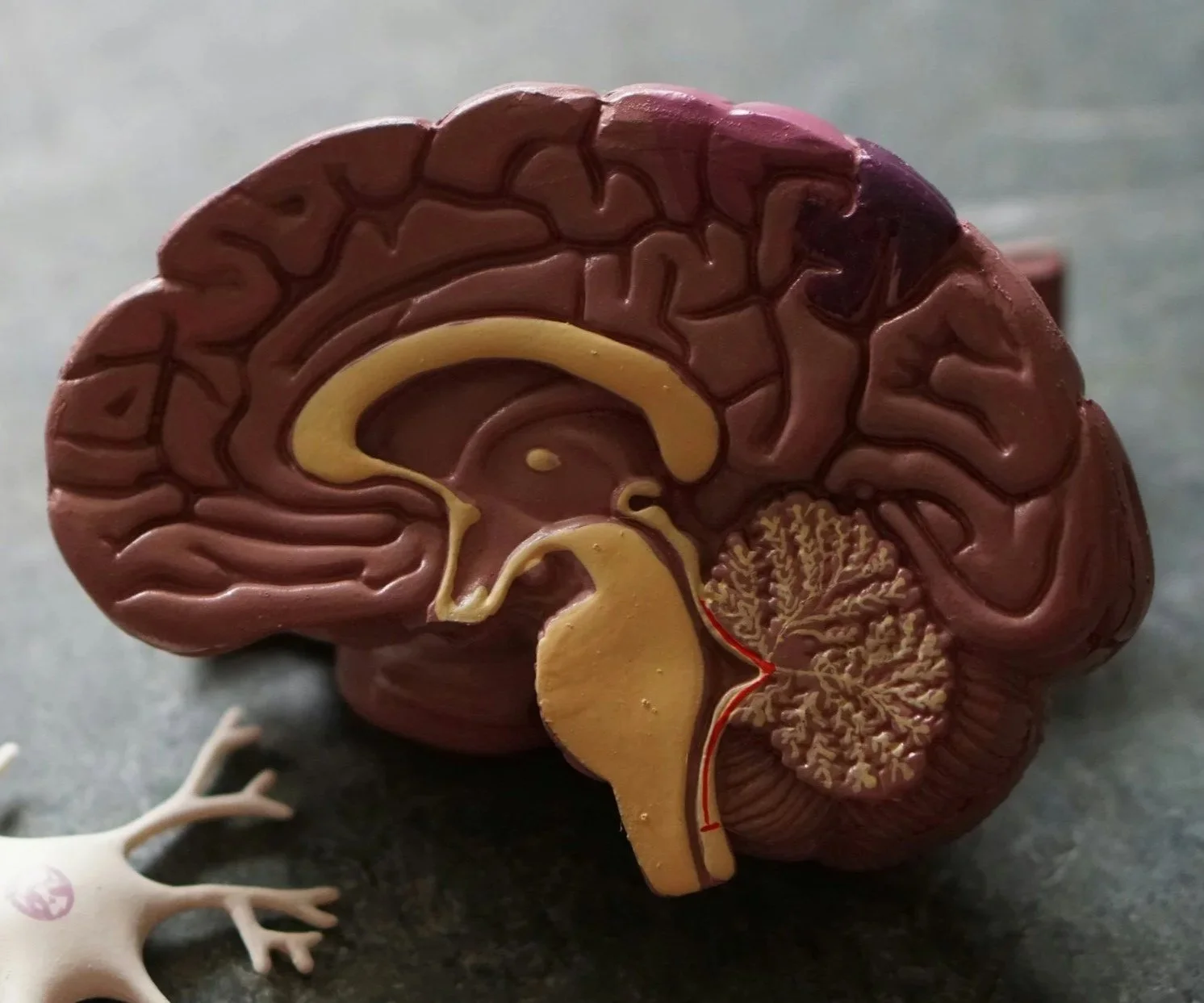
Reading helps improve cognition, empathy, sleep, and overall brain health
It supports your mental health in profound ways. Bibliotherapy — the formal use of reading as a therapeutic tool — is a legitimate, evidence-based practice used by mental health professionals worldwide. Research shows that reading, particularly literary fiction, can reduce symptoms of depression and anxiety, enhance emotional regulation, and build psychological resilience (Billington et al., 2013; Oatley, 2016). Reading puts language around experiences we struggle to name. It reminds us that we are not alone in what we feel.
It makes you more empathetic. This one surprises people, but it shouldn't. When you read literary fiction, you inhabit other minds, other lives, other points of view. Studies conducted at the New School for Social Research found that reading literary fiction specifically improved participants' ability to detect and understand other people's emotions — what researchers call "Theory of Mind" (Kidd & Castano, 2013). Empathy isn't just a soft skill. It is foundational to healthy relationships, effective leadership, and genuine human connection.
It even helps you sleep. Reading a physical book (not a screen) before bed has been shown to help signal to the nervous system that it is time to wind down. Unlike blue-light-emitting devices that suppress melatonin production and elevate cortisol, reading a printed book gently escorts your brain toward rest (Chang et al., 2015). As someone who also offers sleep coaching, I can tell you that pre-sleep reading is one of the most consistently effective behavioral interventions for improving sleep quality.
And it promotes neuroplasticity. We now know, thanks to decades of neuroscience research, that the brain is far more malleable than we once believed. Reading — particularly complex narrative reading — strengthens the neural pathways involved in language processing, imagination, emotional intelligence, and executive function (Mar et al., 2006). In other words, reading doesn't just fill your head with information. It literally reshapes the architecture of your brain. And the way in which the neural pathways of your brain get reshaped better enable greater attention, deeper thinking, more calm, and more engagement (instead of the flight/fight/freeze response).
But What Should You Read?
Here is where I want to offer you some practical freedom: it needs to genuinely interest you.
I am not prescribing a self-help reading list (though a well-chosen self-help book can absolutely be a great idea). The research is clear that the cognitive and emotional benefits of reading are most robust when people are genuinely engaged with what they're reading — when they care about the characters, the ideas, or the subject matter (Mar et al., 2011).

…the cognitive and emotional benefits of reading are most robust when people are genuinely engaged with what they're reading…
Personally, I love fiction. I think a good novel can teach us more about what it means to be human than almost anything else. Fiction asks us to feel alongside characters who are not us, to sit with moral complexity, to follow a life from the inside. Fiction can teach us SO much about life and what it is to be human—while at the same time sparking our imaginations, challenging us, and offering us comfort. And, I think that is extraordinary. Some of the most significant shifts in how I see the world—and how I show up for myself and others each and every day—have come from novels.
But maybe you're drawn to history, or biography, or science, or spirituality. Maybe you love a good mystery, or a sweeping saga, or short stories. All of it counts. The goal is engagement, and engagement is personal. (This presumes, however, that what you are reading isn’t filled with dogma and inaccuracies—in today’s world, it’s often wise to take 3 minutes to do a little research into what you might want to read.)
If your attention span is genuinely struggling right now, start small and be kind to yourself about it. A single chapter, six minutes (as we mentioned earlier), it doesn’t take much—especially when you are starting off. You are not failing if you can't read for hours—you are rebuilding a capacity that the modern world has systematically eroded. That takes time, and that's okay. (And if you want to work on your attention span more intentionally, I cover that in another post—worth a look.)
A Word About Screens
I want to address this directly, because it matters. E-readers and screens are not the same as physical books—at least not from a neurological and physiological standpoint. The blue light emitted by tablets and phones interferes with melatonin production, elevates alertness, and disrupts the sleep-wake cycle (Chang et al., 2015). There is also emerging evidence that reading on screens encourages a more skimming, non-linear reading style that does not produce the same depth of cognitive engagement as reading print (Mangen et al., 2013).
If you can, read print. If an e-reader is your best option, use the night mode and keep the brightness low, especially in the evening.
Reading as a Form of Self-Care—and Self-Discovery
Beyond all the clinical data, there is something I believe deeply as a holistic counselor: reading is one of the most meaningful ways we can know ourselves.
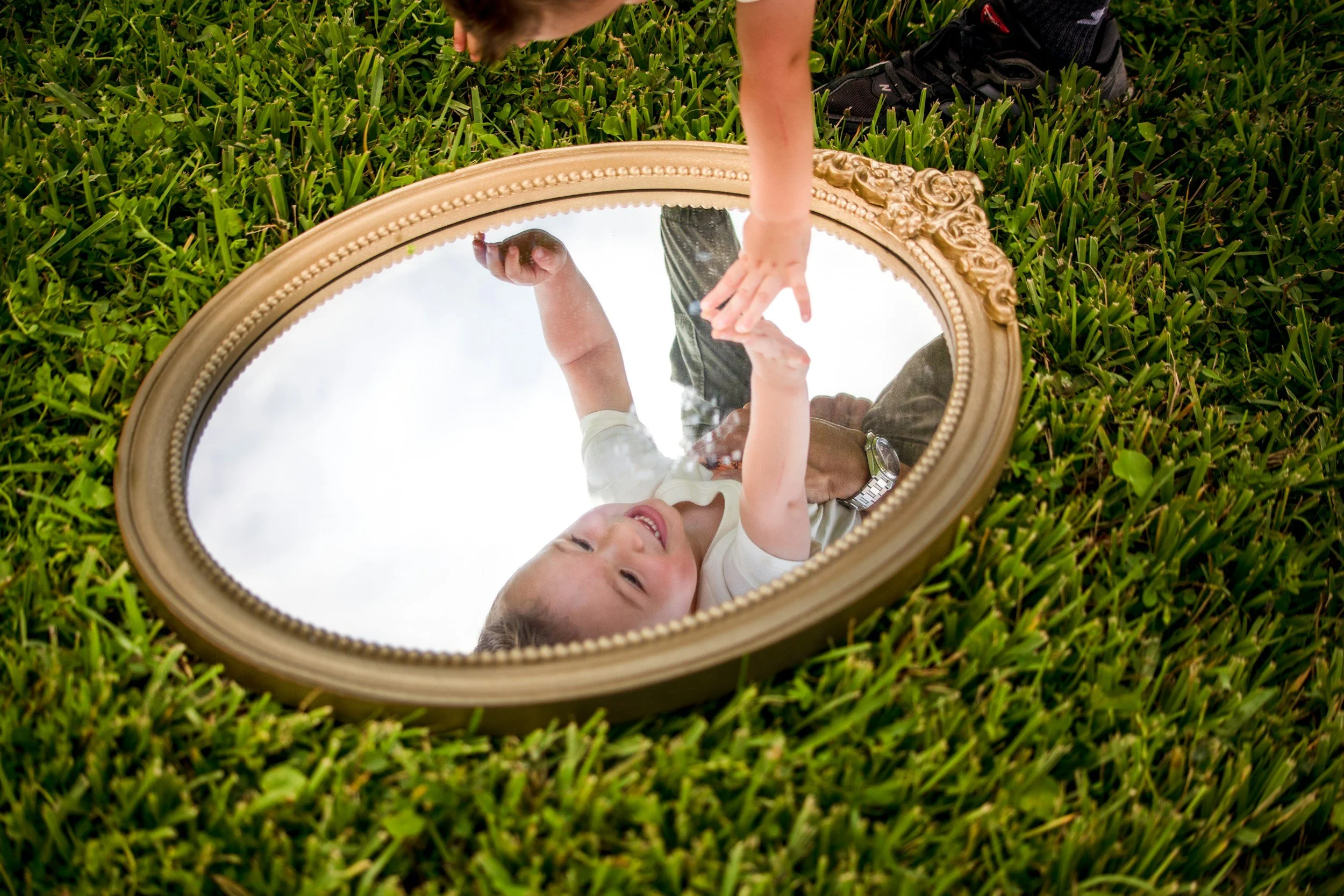
Reading is one of the best methods of self-discovery that we have available.
The books that move us are not accidental. They reflect something back to us—our fears, our longings, our values, our unprocessed experiences. When a story stops you cold, when a sentence makes you put the book down and stare at the ceiling, when you find yourself underlining the same passage three times—that is information about you. Those reactions illustrate that you’ve entered some fertile ground for growth, personal inquiry and exploration, and potentially even a measure of challenge. It’s your inner life signaling that something important is happening.
Reading, at its best, is not an escape from your life. It is a pathway into it.
Where to Start
If you've been meaning to read more and keep putting it off, here is my honest, practical advice:
Pick one book that genuinely interests you. Not one you should read. Not the one that has been sitting on your shelf since 2019 because someone gave it to you. The one that, when you think about it, produces even a small flicker of curiosity.
Put it somewhere visible. Make it accessible. And give yourself permission to read just a little—without guilt, without pressure, without turning it into another item on your to-do list.
Let it be a gift you give yourself.

Adam Scheldt
And if you're navigating something difficult—anxiety, depression, burnout, grief, a major life transition—and you'd like support in building practices that genuinely sustain your wellbeing, I'd love to help. Holistic counseling is about meeting you where you are and helping you build a life that feels like yours again. Reach out, and let's talk.
Adam Scheldt is a holistic counselor, wellness coach, and the founder of Adam Scheldt Wellness LLC, serving clients in Western New York and online. He offers holistic counseling, life coaching, sleep coaching, and spiritual direction. To schedule a free 20-minute introductory call, use the “Book a Free Call” link at the top of the page.
References
Bavishi, A., Slade, M. D., & Levy, B. R. (2016). A chapter a day: Association of book reading with longevity. Social Science & Medicine, 164, 44–48. https://doi.org/10.1016/j.socscimed.2016.07.014
Billington, J., Carroll, J., Davis, P., Healey, C., & Kinderman, P. (2013). A literature-based intervention for older people living with dementia. Perspectives in Public Health, 133(3), 165–173. https://doi.org/10.1177/1757913912470052
Chang, A. M., Aeschbach, D., Duffy, J. F., & Czeisler, C. A. (2015). Evening use of light-emitting eReaders negatively affects sleep, circadian timing, and next-morning alertness. Proceedings of the National Academy of Sciences, 112(4), 1232–1237. https://doi.org/10.1073/pnas.1418490112
Kidd, D. C., & Castano, E. (2013). Reading literary fiction improves theory of mind. Science, 342(6156), 377–380. https://doi.org/10.1126/science.1239918
Lewis, D. (2009). Galaxy stress research. Mindlab International, University of Sussex.
Mangen, A., Walgermo, B. R., & Brønnick, K. (2013). Reading linear texts on paper versus computer screen: Effects on reading comprehension. International Journal of Educational Research, 58, 61–68. https://doi.org/10.1016/j.ijer.2012.12.002
Mar, R. A., Oatley, K., Hirsh, J., de la Paz, J., & Peterson, J. B. (2006). Bookworms versus nerds: Exposure to fiction versus non-fiction, divergent associations with social ability, and the simulation of fictional social worlds. Journal of Research in Personality, 40(5), 694–712. https://doi.org/10.1016/j.jrp.2005.08.002
Mar, R. A., Oatley, K., & Peterson, J. B. (2009). Exploring the link between reading fiction and empathy: Ruling out individual differences and examining outcomes. Communications, 34(4), 407–428. https://doi.org/10.1515/COMM.2009.025
Oatley, K. (2016). Fiction: Simulation of social worlds. Trends in Cognitive Sciences, 20(8), 618–628. https://doi.org/10.1016/j.tics.2016.06.002