
The Brain’s Janitorial Service: Why Sleep is the Ultimate Act of Mental Wellness

Your brain has a built-in cleaning system—but it depends entirely upon sleep.
We’ve all felt it—that heavy, lingering "cloud" that follows the start of Daylight Savings Time. While "springing forward" brings more evening light, the loss of that single hour often triggers a bit of a cascade of grogginess, irritability, and brain fog.
If you are in your mid-thirties or beyond, you might notice these transitions hit a bit harder than they used to. It isn't just your imagination. As we age, our circadian rhythms become more sensitive, and our neural resilience requires more intentional care.
But what if we looked at sleep as more than just "checking out" for the night? What if we saw it as a vital, biological "power wash" for your brain?
The Science of the "Brain Wash" (The Glymphatic System)
For a long time, we viewed sleep as a passive state. We now know it is an incredibly active period for brain health, neuroplasticity and cognitive maintenance (not to mention your overall wellness!).
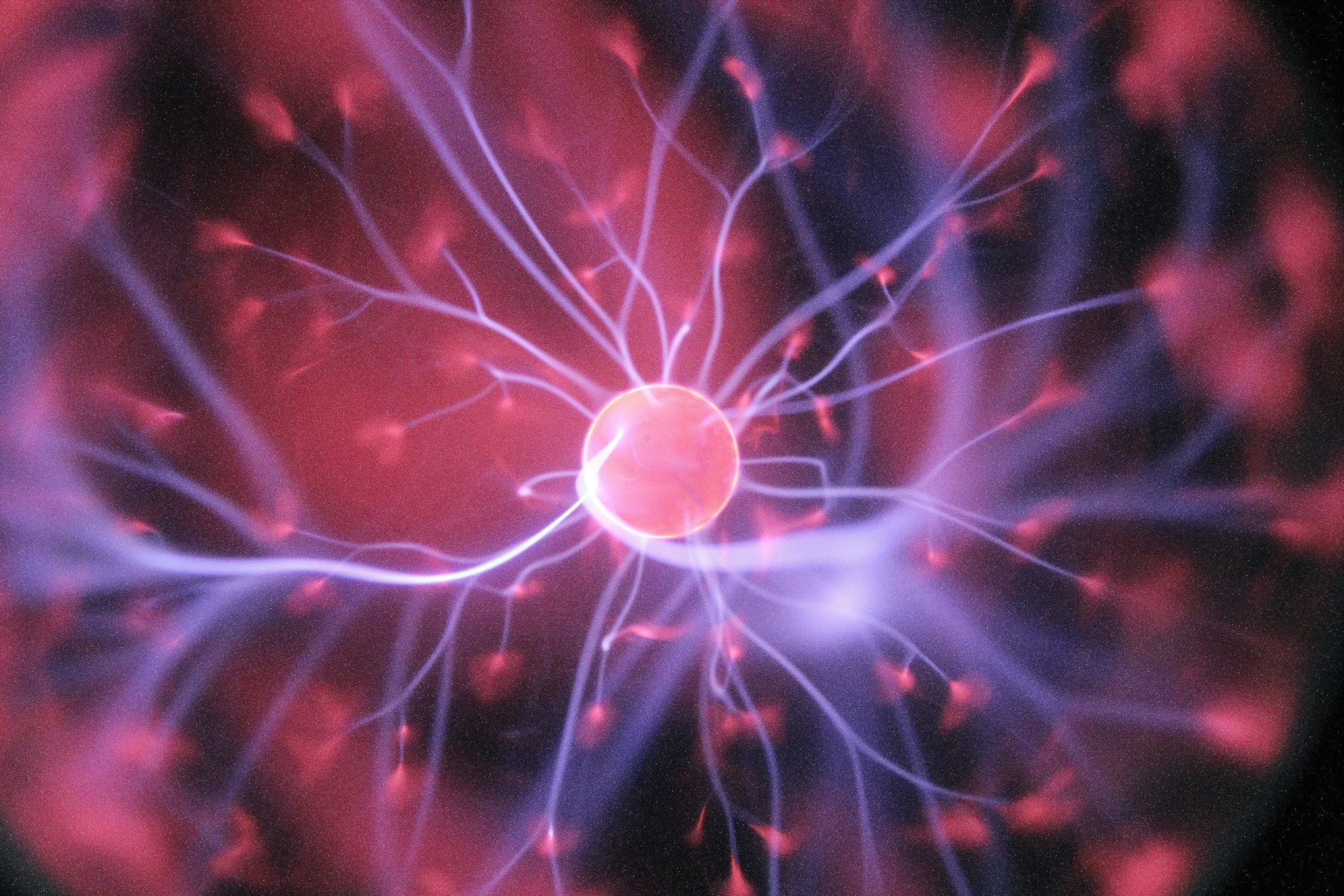
Glial cells are a neurological powerhouse and are central to brain health.
Within the last decade, researchers have mapped out a fascinating waste-clearance system in the brain called the Glymphatic System. While you are in deep, restorative sleep, your brain’s glial cells shrink slightly (these glial cells, specifically a type called astrocytes, are star-shaped cells essential for brain function, managing metabolic energy for neurons, maintaining the blood-brain barrier, and regulating synaptic plasticity). This shrinkage creates space for cerebrospinal fluid to rush in and "scrub" the spaces between your neurons.
This process flushes out metabolic waste, including beta-amyloid—a protein associated with cognitive decline and Alzheimer’s disease (Nedergaard, 2013).
When we lose sleep—whether through a time change, chronic stress, or the "hustle" of mid-life—that janitorial service can’t finish its shift. The result?
Brain fog and memory slips.
Emotional exhaustion and a shorter "fuse."
Decreased neuroplasticity, making it harder to learn new skills or break old habits.
Don’t Stress the Struggle
If you’re currently struggling to adjust to the new time, or if you’ve been battling poor sleep for a while, I want to offer you a bit of grace: Try not to stress about the lack of sleep.
Stress causes a cortisol spike which contibutes to bad sleep. Bad sleep (largely because your brain hasn’t been “cleaned” properly), in turn, makes you less able to handle stress. A lower ability to handle stress just breeds even more stress, which increases cortisol, and the cycle repeats itself. As I often tell my clients, stress is the primary thief of wellness. When we worry about not sleeping, we trigger that cortisol spike that keeps our nervous system in "fight or flight" mode—the exact opposite of the state needed for the glymphatic system to do its work.
In the world of mental wellness, we often think we need to be proactive and do more to fix a problem. In this case, you actually need to do less. You need to create the conditions for your brain to heal itself.
The "Digital Sunset" Ritual

Crafting a good “digital sunset” can help you get better sleep, and by extension, a better, healthier brain.
If you want to put your brain’s janitorial service to better use, the best place to start is with a Digital Sunset.
Our modern world is flooded with too many things that want us to be awake. Our homes are filled with blue light from screens, which tricks the brain into thinking it’s still midday, suppressing the natural production of melatonin. And the content on those screens is entirely made to keep you awake, engaged, and away from what really matters—you. So, to give your brain the transition it needs in order to get better and more restorative sleep:
Power down at least one hour before bed: Put away the phone, the laptop, the memes, and the news cycle.
Process the day: Use this time to journal, read a physical book, or simply sit in quiet reflection.
Gently let go: Instead of carryover stress, allow your nervous system to "downshift" by consciously and purposefully letting go of day, clearing the path for greater rest.
This hour isn’t "wasted time." It is the intentional scaffolding that allows your brain to heal, scrub away the waste of the day, and prepare you for a morning of clarity and wholeness.
Moving Toward Wholeness
Sleep is the foundation of mental health, but it is only one piece of the puzzle. If you find yourself feeling stuck in a cycle of exhaustion, or if the "mental load" of life feels too heavy to carry alone, I am here to help.
In my practice, we work together to navigate these transitions—not by adding more to your plate, but by refining your rhythm and reclaiming your resilience.
Are you ready to move from "getting by" to feeling whole? Let’s discuss how we can optimize your wellness and harness the power of your brain’s natural ability to heal.
Be well.
References & Further Reading
Nedergaard, M. (2013). "Garbage Truck of the Brain." Science, 340(6139).
Xie, L., et al. (2013). "Sleep Drives Metabolite Clearance from the Adult Brain." Science.
Walker, M. (2017). "Why We Sleep: Unlocking the Power of Sleep and Dreams."